-
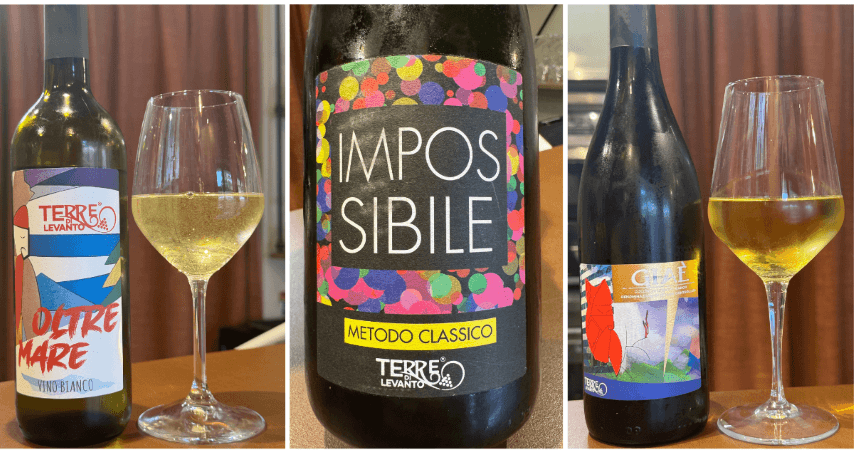
- Giaè Bianco (DOC Colline di Levanto): a Vermentiono, Albarola, Bosco blend which proved a decent aperitivo with some coastal freshness with light creamy pear.
- Oltre Mare: Vermentino – costal salinity with zingy acidity and peach notes
- Rosato: tasting sip only with no notes taken. I suspect it was Merlot driven and didn’t appeal to my “local/native grapes” focus.
- Impossibile: Sparkling classic method (brut) Pinot Nero – no notes taken, from memory it was decent enough.
No Comments
Exploring Northern Italy’s lesser-known grapes: Levanto & Cinque Terre
Part 2 jump to main content.
Preamble
In late June 2026, my 50th birthday celebrations were put on hold as my partner’s parents decided on an extended trip to Europe, perhaps their last, for which I was volunteered to chauffeur us around Northern Italy for 2 weeks during one of the most intense heatwaves since the week I was born.
Her mum was determined to see all cinque of the Cinque Terre villages and some of Milan’s popular tourist sites. Her dad came along for the ride, perhaps watching more table tennis and political clickbait on his iPad than the historical sites, and asking why there was only Italian food when Singapore had much more variety (The Three Amigos anyone?). We, on the other hand, braced ourselves for a fortnight of underwhelming coffee; after many previous trips to Italy and over a decade holidaying in France, we were mentally prepared.
With two weeks to fill, my only stipulation was that we start with a few days in Tortona, home of my favourite grape: Timorasso, the grape and region that spurred me to start writing about wine.
I knew I’d naturally set myself ad-hoc side missions to seek out lesser-known native grapes in every subsequent destination.
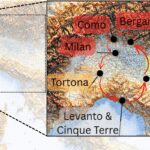
The Itinerary: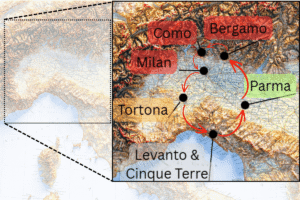
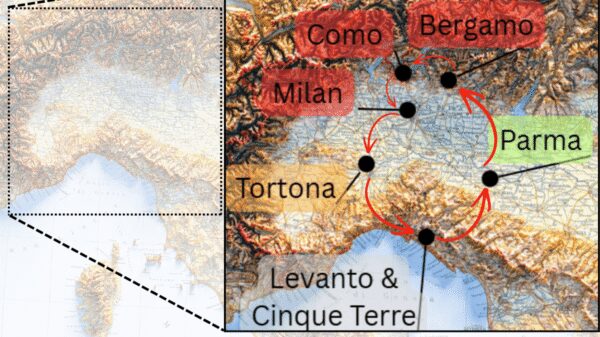
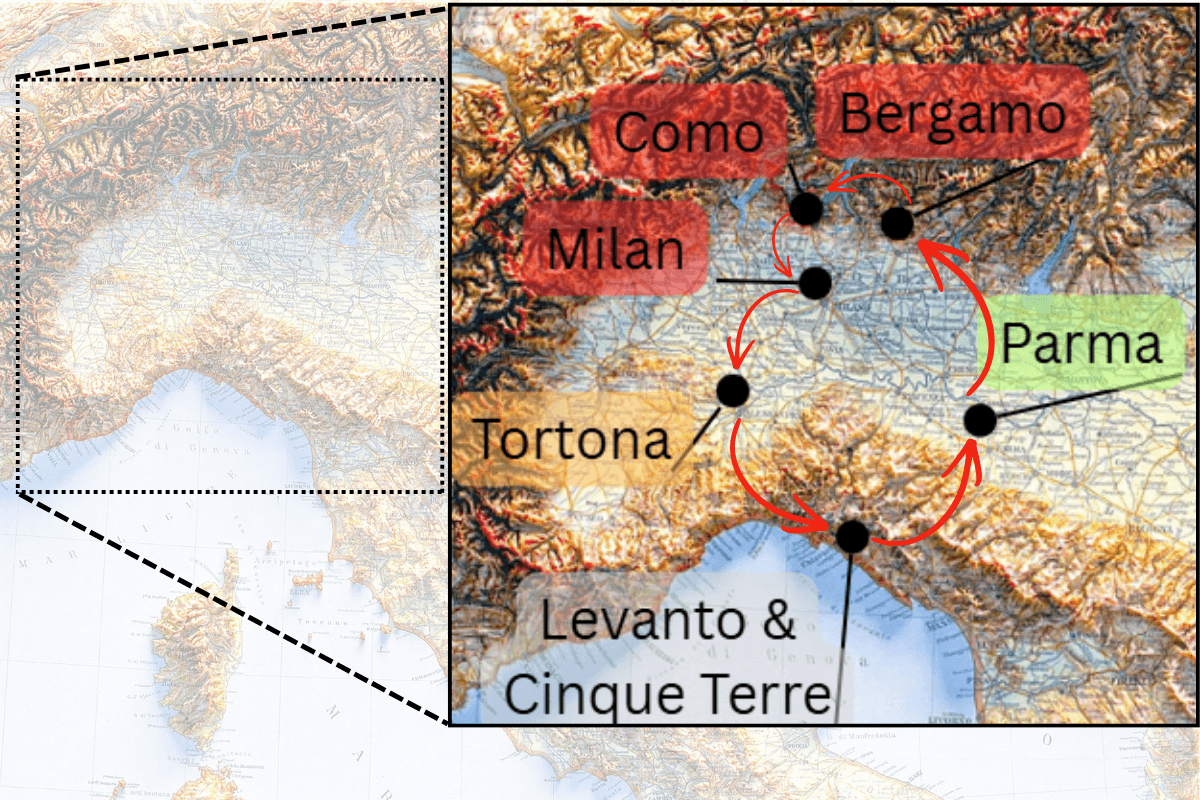
- Tortona (Piemonte) – starting off in one of my happy places in Italy, exploring Derthona Timorasso wines and seeing familiar faces
- Levanto (Liguria) – a seaside town as a base to explore the villages of Cinque Terre (and seek out the local grapes Bosco, Vermentino Nero and rarer Rosesse Bianco and Piccabòn)
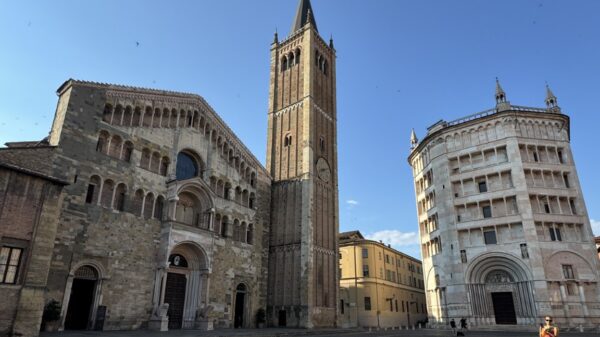
- Parma (Emilia-Romagna) – I knew about the ham. Other than that, it was a good base to visit Japanese winemaker Shun Minowa and discover some of the 17 Lambrusco clones such as Grasparossa
- Bergamo (Lombardy) – a relatively arbitrary choice based on its location, the appeal of an old town, and an opportunity to taste the rare grapes Moscato di Scanzo (also Italy’s smallest DOCG) and Erbanno
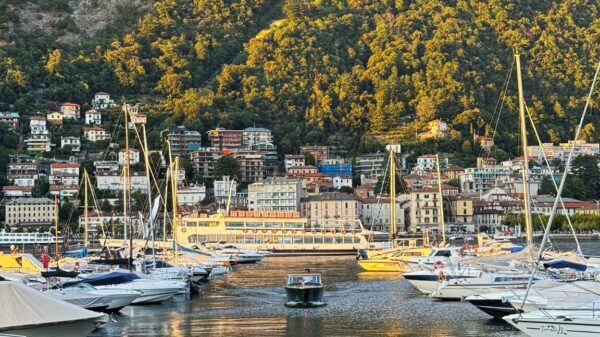
- Como (Lombardy) – chosen as I naively thought it would be cooler in the mountains, and its proximity to the airport to return the hire car. I also discovered the relatively rare local grape Verdese
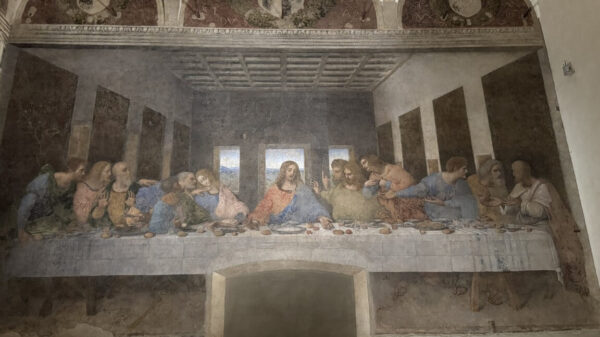
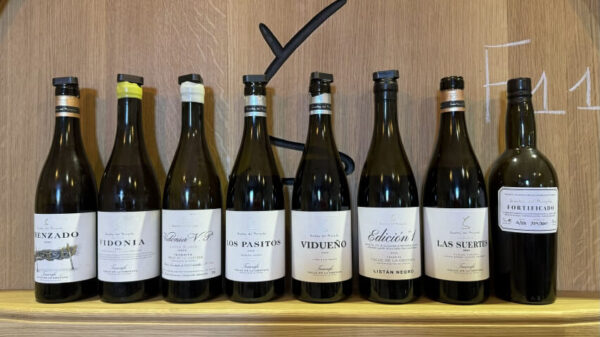
- Milan (Lombardy) – The Last Supper, Milan Duomo and that fancy shopping arcade next to it were on the bucket list for our visitors. I was also able to track down one of the few bottles of Cascina Lieto’s Moscato in Milan, from Japanese winemaker Hiroto Sasaki.
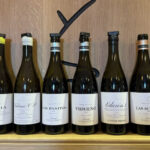
My wine haul can be seen on Instagram here.
Wines of Liguria and highlights of Levanto & Cinque Terre
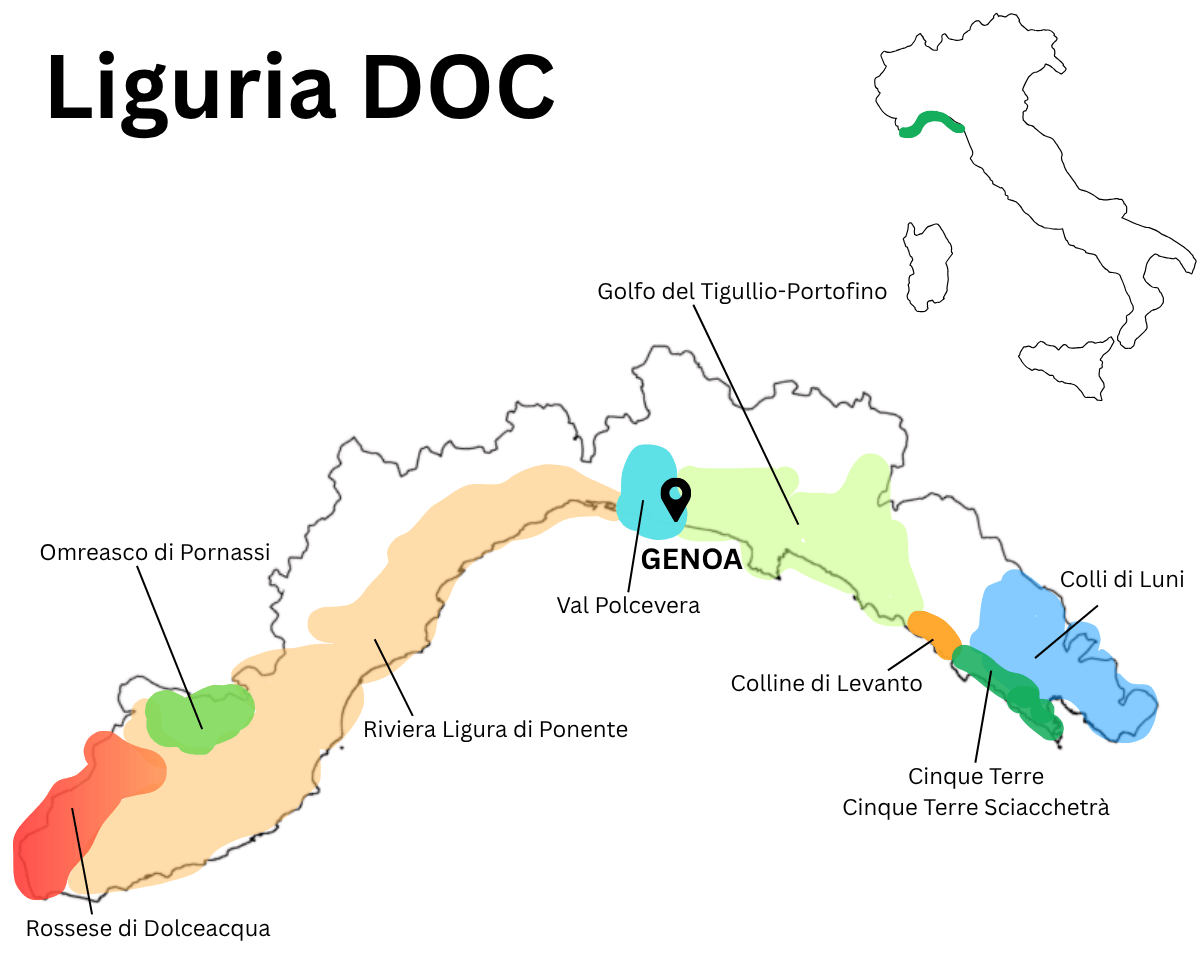
- DOC(G) / IGT: Liguria has 8-10 DOC and 4 IGT, details of which can be found on italianwinecentral.com.
Those in/around Cinque Terre are:- Cinque Terre DOC: white wines based on Albarola, Bosco and Vermentino. Min. 40% Bosco & max. 40% Vermentino or Albarola, however I have been told that this was recently (or will soon) be abolished, and even 100% Vermentino could be labelled as Cinque Terre DOC.
- Cinque Terre Sciacchetrà DOC: a sweet passito wine using the same white grapes,
- Colline di Levanto DOC
- White: min. 40% Vermentino, 20% Albarola, 5% Bosco
- Red: blends of Sangiovese (min. 30%) and Ciliegiolo (min. 20%) with other permitted local varieties such as Vermentino Nero.
- Colli di Luni DOC :
- White: min. 25% Vermentino, 25-40% Trebbiano Toscano, Albarola
- Red: min. 50% Sangiovese
My rudimentary outline of the Ligura DOC can be seen in the image below (click to expand):
- Main Grapes: Albarola, Bosco, Trebbiano Toscano, Vermentino, Ciliegiolo, Sangiovese
- Minor Grapes: Pigato, Vermentino Nero, Rosesse, Rosesse Bianco and Piccabòn. These last two are ancient grapes grown in the 1300s, rediscovered by Litàn.
Other grapes that may appear in blends include whites: Bianchetta Genovese, Lumassina, Moscato Bianco, Scimiscia and reds: Alicante, Barbera, Barsaglina, Canaiolo, Dolcetto and Pollera Nera. - Producers: I’m told that Lunae is the largest producer in the region. Other smaller producers of note include Litàn, Vetua, Cappelini, Forlini Cappelini and Ca’ di Mare
- Recommended wine spots:
- Levanto: La Cantina dei 1000, Fuoriporta (Terre di Levanto‘s wine bar )
- Monterosso: Enoteca Internazionale, La Cantina di Miky, Ristorante Miky
- Corniglia: Enoteca della Corte, Terra Rossa Winebar
- Riomaggiore: Azienda Agricola Possa (producer), Trattoria La Grotta
Day 3 – Levanto
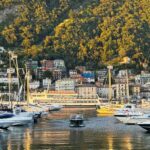
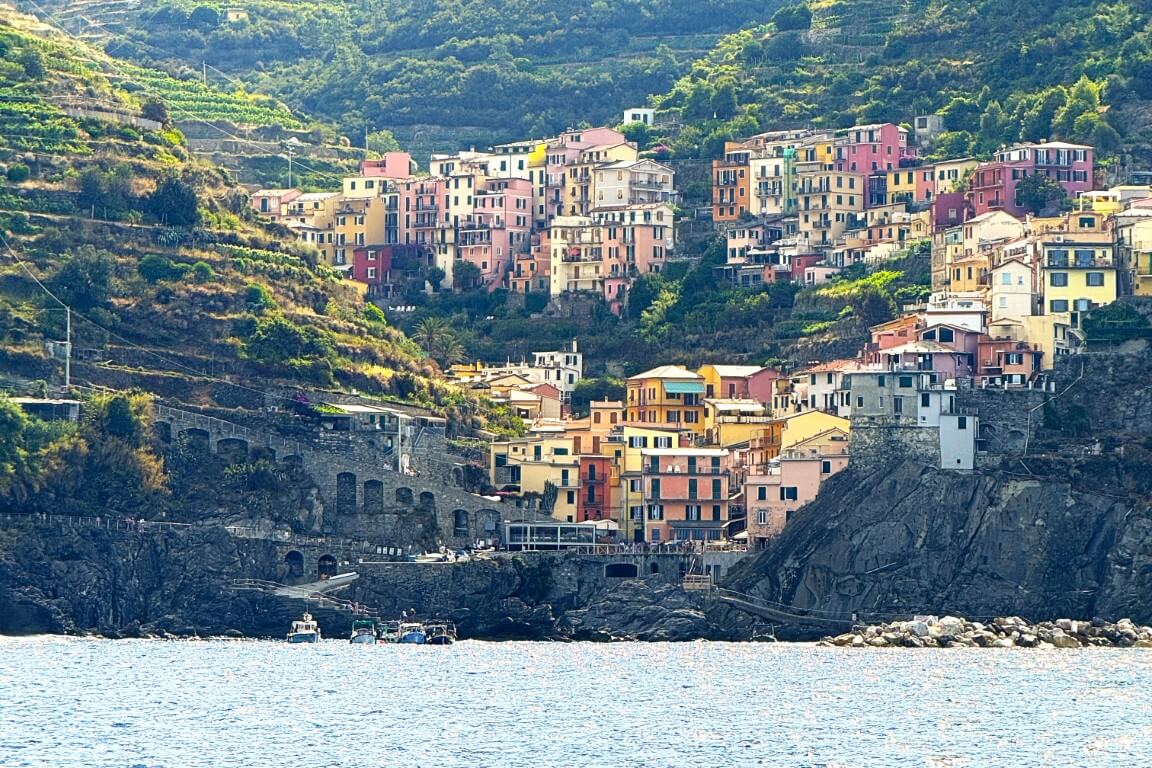
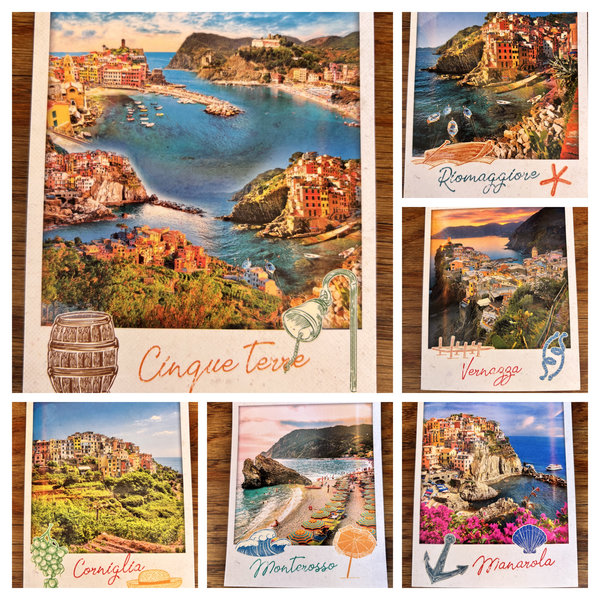
Not ones for hanging around the morning, we set off from Tortona after breakfast for Levanto to spend 4 nights by the beach and base ourselves to explore the Cinque Terre villages. From west to east, the villages comprise: Monterosso, Vernazza, Corniglia, Manarola and Riomaggiore. Each with a very different vibe, and all popular with tourists, particularly in the afternoon, during peak season, and when there’s a cruise ship docked nearby.
We checked the parents in to the independently run (and aircon equipped) Hotel Palazzo Vannoni, A lovely boutique 3-star hotel / B&B run by 3 friends. I can highly recommend this hotel which provides great service and helped us register our rental car to enter the dreaded ZTL zone.
We chose to rent a private studio apartment nearby for a bit of psychological distance (privacy and sanity).
Lunch palava
Our first impressions of Levanto were … uncertain. Tourists walking around with inflatable water toys under their arms, and restaurant menus in multiple languages, both warning flags for us, although our view softened after one day in the tourist-saturated Cinque Terre.
This was in fact a quiet period, which we discovered while trying to find somewhere to eat at 13:30, when most kitchens had closed due to lack of customers (i.e. tourists). We did finally find somewhere that was open with decent food and aircon. They even had a local wine by the glass – U Céu white blend from a cooperative Vallata di Levanto in the Colline di Levanto DOC – a little forced fruity with over-ripe lemon & grapefruit).
Getting my (wine) bearings
I headed out after lunch to suss out some of the wine spots I had identified, to ask about the local wines, styles, grapes, producers and any recommended spots around the Cinque Terre villages.
The local grapes Albarola and Bosco grapes caught my attention, and having had Albarola in the past, I set myself the mission of hunting down a 100% Bosco. The general tourist-orientated stores advised this didn’t exist. I never believe it – there are always one or two mavericks around.
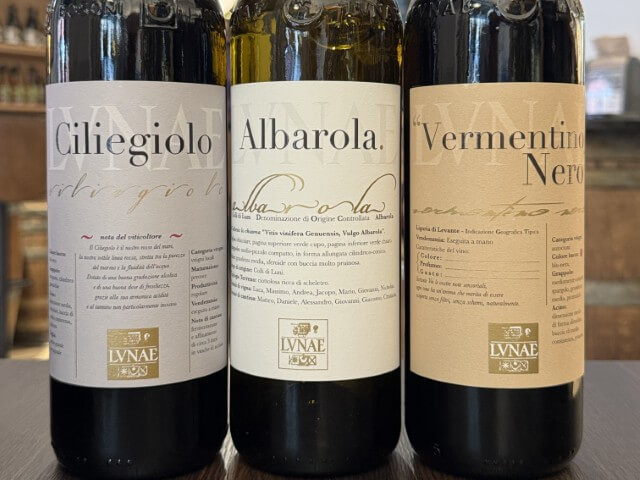
Aperitivo at Fuoriporta
First stop (the only wine bar open) was Fuoriporta (map), owned by Terre Di Levanto, located close to the town in the DOC Colline di Levanto.
Aperitivo #2 at La Cantina dei 1000
Walking further down the same street, I came across La Cantina dei 1000 (map) which was just opening up for the day. I popped in for a chat, stayeed for a glass, was joined by Amanda and subsequently spent the rest of the evening there when she summoned her parents.
They have a great range of wines from small, terroir-focused local producers and a decent by-the-glass selection, including the sweet Sciacchetrà DOC, and sparkling Pigato. I discovered, not only single-varietal Bosco (by the bottle only), but Ruzzese (aka Roccese / Rosesse Bianco) and Piccabòn, both ancient grapes that were rediscovered and revived by a small winery, Litàn.
I was so enamoured by Litàn’s wine that I recorded an impromptu video for social media. Put on the spot when Amanda’s mother laughed at the process, I referred to her as my “future mother-in-law” (we’re not married, but it was the easier explanation) – confusing my own family in the process who saw the video back in N Ireland.
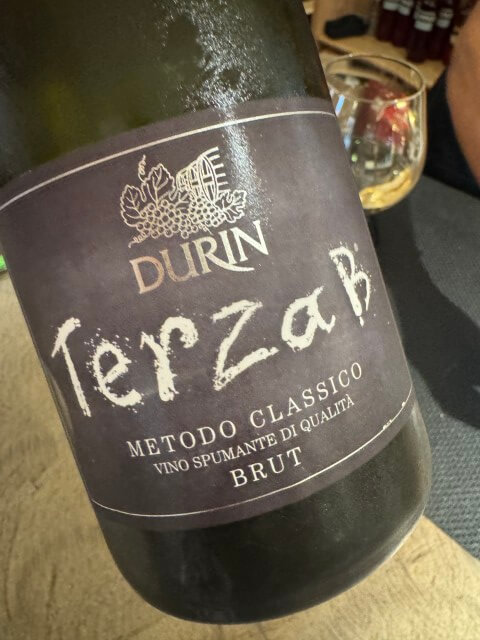
- Terza B Spumante (Pigato + 5% Vermentino), Durin: zero dosage, 18 months on lees. Fresh with fine bubbles and an intriguing Jura character. Curry leaf, roasted nuts, cashew nut, yeast.
- Majé (Pigato), Azienda Agricola Bruna: Pigato is a mutation/variation of Vermentino. This one was quite steely with notes of unripe stone fruit. Fresh and balanced, not unlike a lean Viogner
- Poggio Alle Api Bianco (Liguria di Levante IGP), I Cerri: 100% Albarola. Steely fresh with honey and peach. Like a light Viognier with a bit of minerality to the acidity.
- Bianco (Liguria di Levante IGP), Ca’ di Mare: simple with struck match reductive notes and some stone fruit skin.
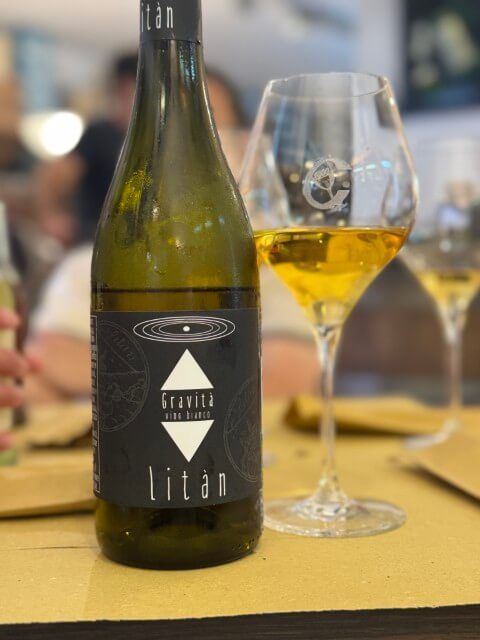
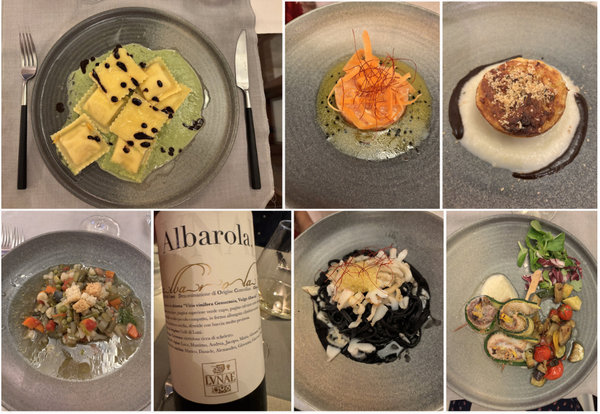
- Gravità (Rosesse Bianco + Piccabòn), Litàn: a blend of 2 ancient varieties dating back to the 1300s, rediscovered by the winery. We went for a bottle, and were delighted with the sappy, saline and savoury character.
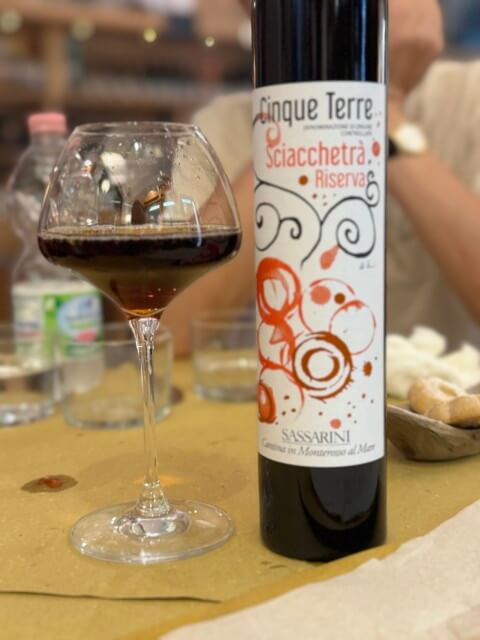
- Sciacchetrà Riserva, Sassarini: drank for pleasure with no notes taken. Served slightly warmer than I’d have liked, it wasn’t showing at its best, but was a rasiny, passito kinda wine with racy acidity balancing the sweetness.
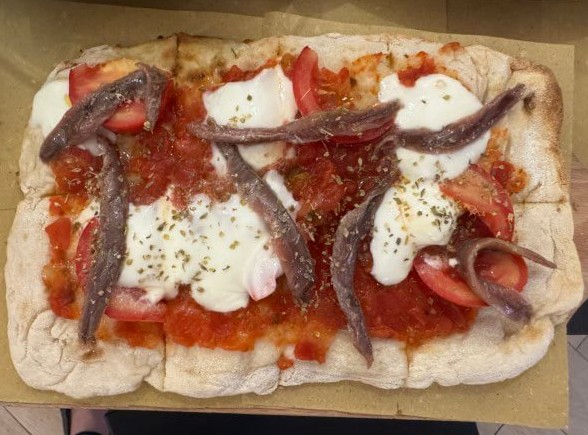
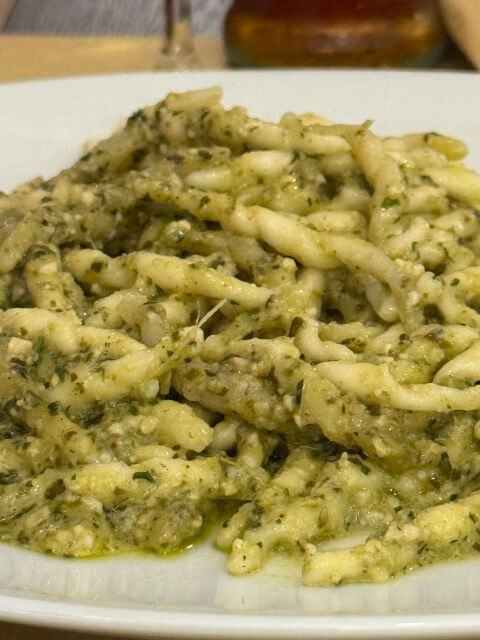
All this alongside the free cicchetti selection served as an aperitivo with the first glasses, and local pasta (trofie) and “pizza” (pinse).
Day 4 – Cinque Terre – Riomaggiore and Vernazza
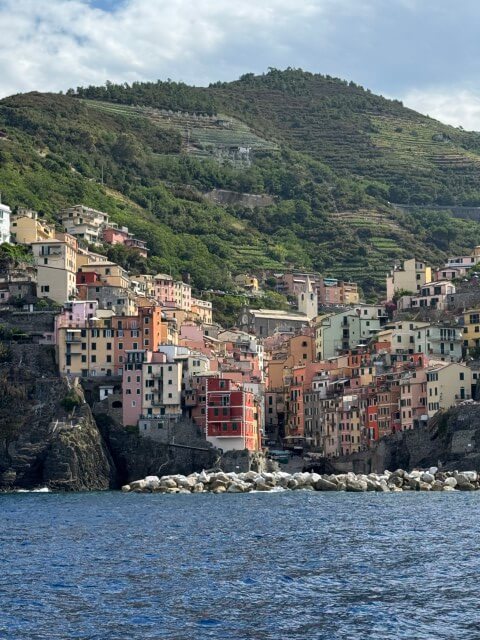 To visit the Cinque Terre villages, there are various options, only 2 of which were really viable: boat (ferry or private hire), train (€8 between stops in peak season with day passes available), walking (there are hiking trails, but you’d be crazy in the heat), cycling (if you like hills) and driving (good luck with the parking).
We opted for the boat, allowing us to take in the views on the approach to each village, and decided to head to the furthest one first (Riomaggiore), knowing we may not have the energy to later in the day.
Riomaggiore
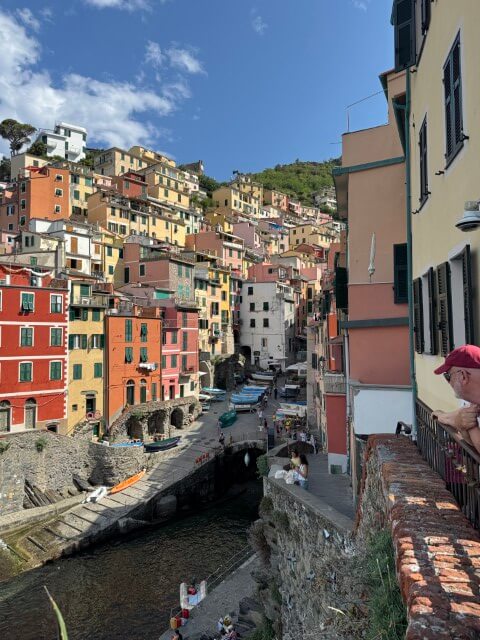 Riomaggiore is apparently “the most romantic” of the five, and the approach from the sea is spectacular and Instagram-worthy.
Lunch
We were lucky to arrive before the crowds, and found a lovely restaurant with a great selection of wines: Trattoria La Grotta (map).
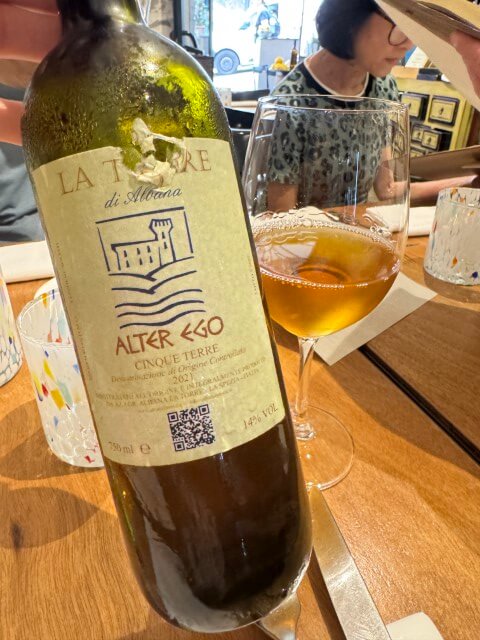
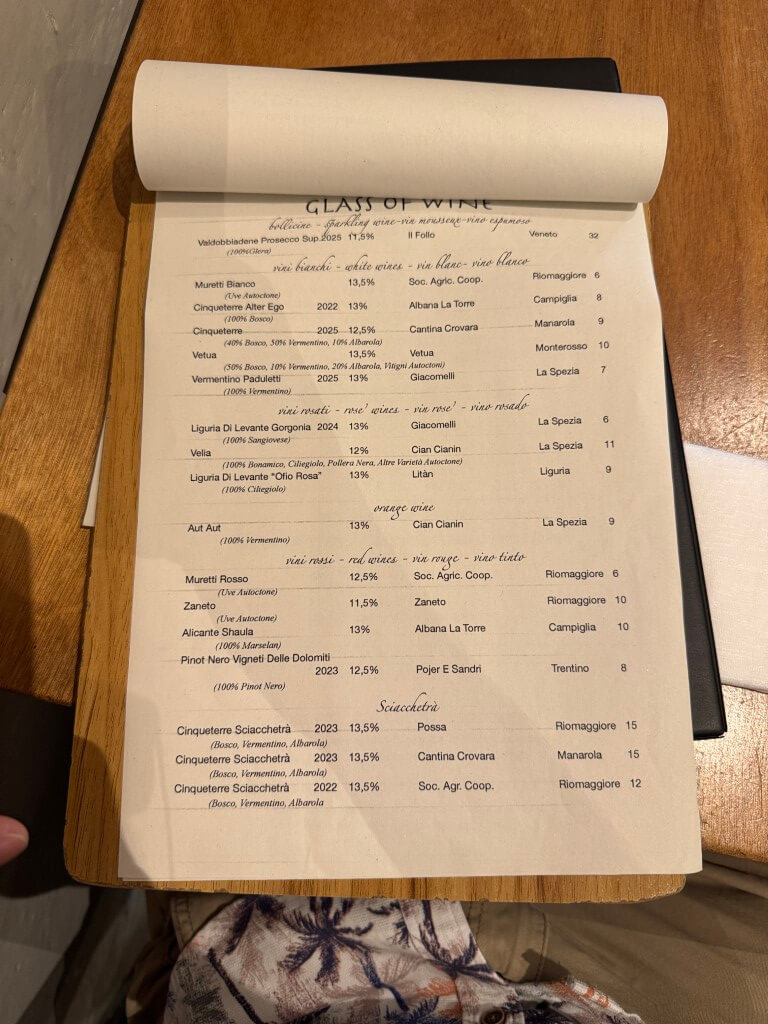
It is here that I found a 100% Bosco wine, Alter Ego from La Torre di Albana
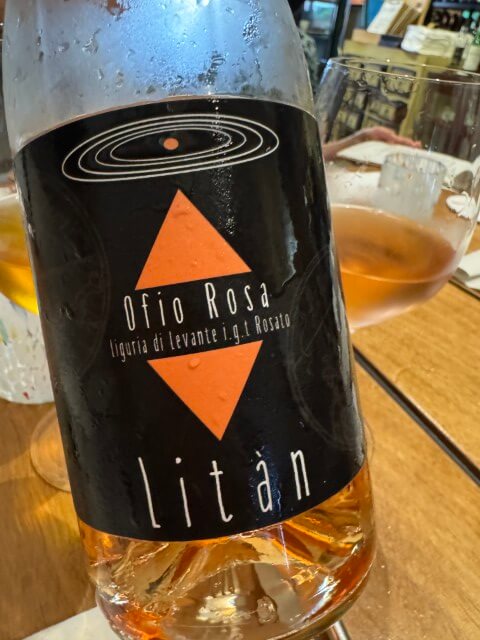
- Ofio Rosa 2025 (Ciliegiolo), Litàn: fresh and mineral rosato with coastal salinity and soft red fruit flavours
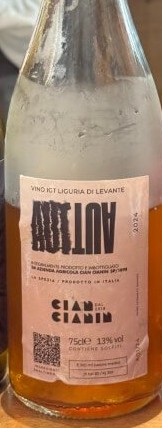
- Aut Aut 2024, Cian Cianin (Liguria di Levante IGT): a little too “natural” for me with quite a bit of bretty elasoplast
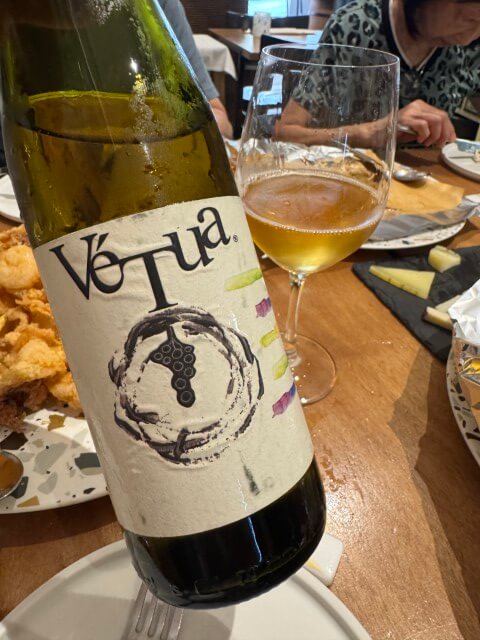
- Vino Bianco 2024, Vétua: steely with underlying herbal and honey notes
- Alter Ego 2021 (100% Bosco), La Torre di Albana: biodynamic, a little cidery, light skin tannins. Think “sherry meets cider”.
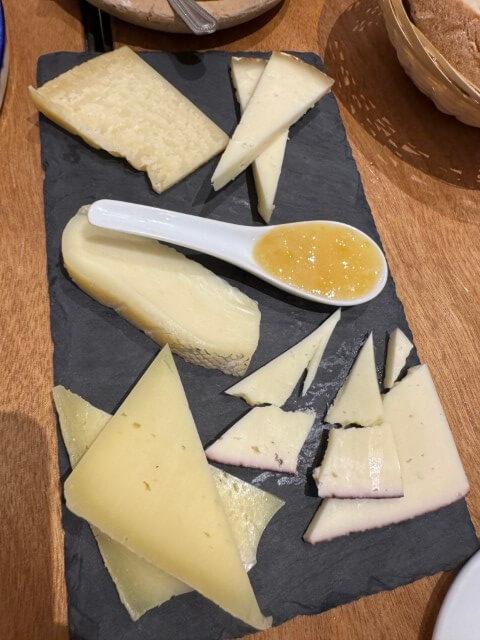
We ordered misto frito and 2 grilled fish with spuds to accompany – all a bit too much for 4 of us to finish, particularly with the plate of local cheese. I really should have made a more detailed note of the cheese other than simply remembering that one was washed in red wine grape pomace.
Vernazza
Reportedly “the most picturesque” of the lot (maybe from that one vantage point full of tourists posing glamorously for selfies?). Perhaps we didn’t give it a chance, perhaps we were just too tired/full/hot … we found a café with aircon and had a cold drink and waited for the train back to Levanto (the return boats to Levanto were much fewer and later in the day).
Dinner – back to the regular
We ended up back at La Cantina dei 1000 for wines and simple dinner (notes consolidated in my initial entry above) as we liked the place, the people, and the wines.
Then a nightcap at the popular Contro Vento bar (map) which had an ok selection of beer and great music, but played so loudly that it almost physically shoved you back out the door. Thankfully there was a terrace with table service which was much more gentler on the ears.
Day 5 – Cinque Terre – Corniglia, Manarola and Monterosso
Three of us reckoned we had seen enough of Cinque Terre and didn’t feel the need to risk burn-out trying to hit them all up. Amanda’s mum, however, was adamant she wanted to see them all, and that would require some assistance from the two of us. We opted for the train this time with a decent enough priced day-ticket at around €21 from Levanto station.
Corniglia
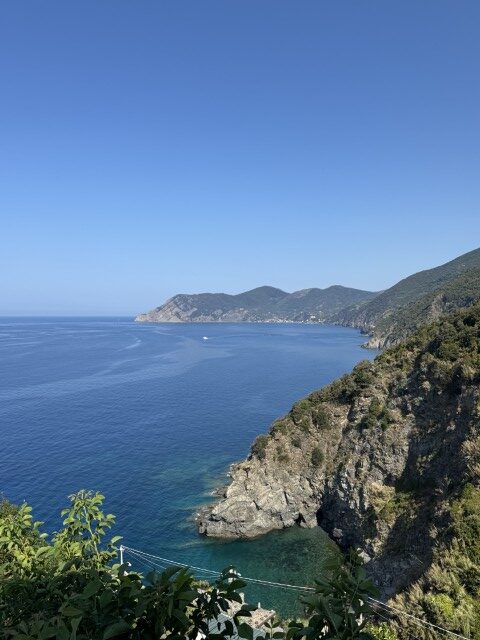 “The most genuine”. A hilltop village that can’t be reached by boat. Nice views, although most places were closed (including the wine bars I wanted to check out), so we opted for an ice-coffee and the next shuttle bus back to the station to go to Monterosso.
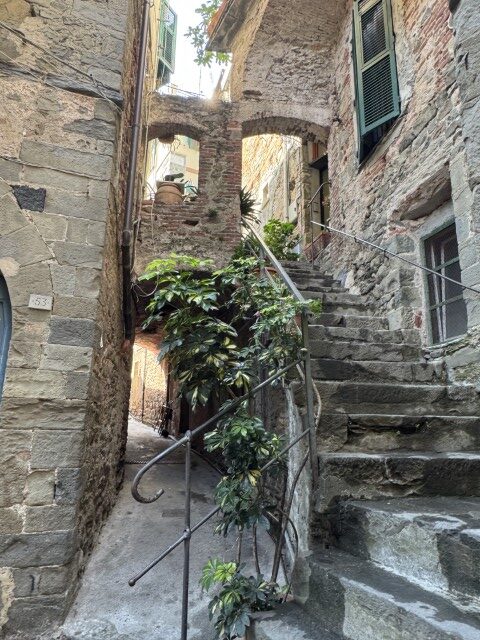 If I’m being kind, I’ll put it down to the heat, but I noticed how many tourists, while no-doubt very well-mannered in their home country, seemed to throw all that out the window while travelling. From pushing on to trains, to jumping on to the minibus ahead of a frail old lady, and taking up the front seats. On more than one occasion we had to ask people if they’d mind moving so the old lady with the walking stick could sit in the designated priority seat. A trend that would continue throughout the day.
Manarola
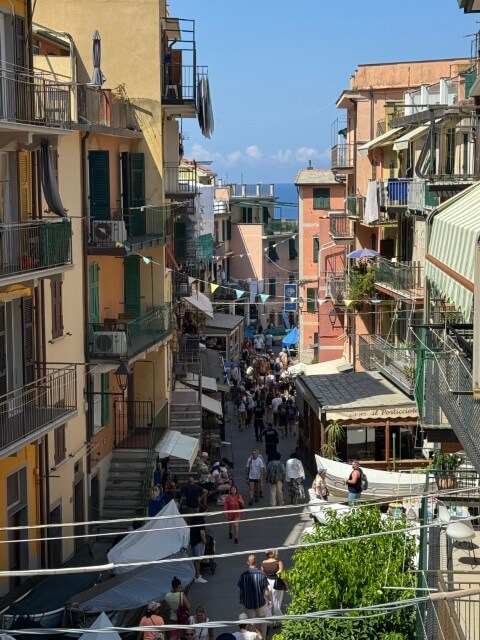 Manarola, where the step off the train to the platform almost required abseiling. The staff subsequently advised us that any “assistance” needed to be requested 24 hours in advance (even a box to step on?!), and I resolved to keep an eye out for any discarded wooden wine boxes I could take to make boarding the return train easier.
Note to self: don’t expect much help or sympathy from train staff at Manarola station
Manarola is billed as the “best for swimming”? We had learnt our lesson from the previous day and brought our swimming gear with us this time. A stroke of good luck as we couldn’t find anything else that interested us much in town and there was a cruise ship docked in La Spezia, so the crowds had arrived.
The swimming was great. Clear water (once you tip-toe over the piles of cigarette butts on the rocks), fish, boulders on the sea bed – the kind of thing I thought I’d have easily found in Sicily last year, but alas mainly found just the cigarette butts. This place is worth coming for a dip in the harbour alone.
Thankfully the train going the other direction was much closer to the platform, so no stepladders were required.
Monterosso
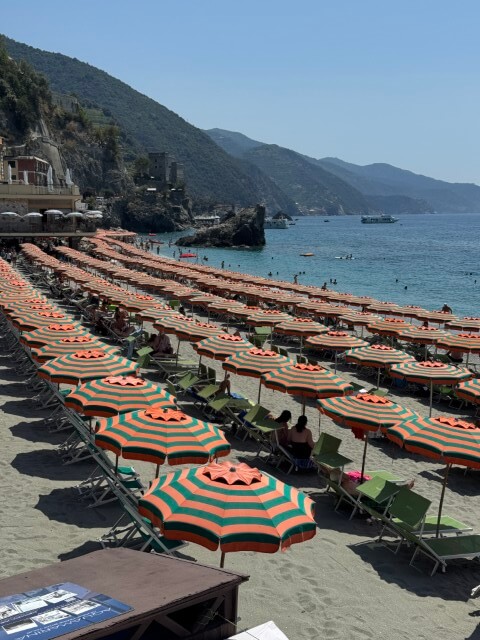 After taking the wrong train from Manarola we ended up back in Levanto, passing Monterosso on what turned out to be the express train.At Levanto, we met the same tourist couple on our morning train that made the same mistake … while trying to manage an infant throwing a hissy fit…the couple … not Amanda), and finally ended up in Monterosso, the largest town of the 5, known for its wide beach. There’s a short walk to the new town, or a longer 1 km walk, through a road tunnel to the old town which is a tad more charming.
We do like a morning swim, but aren’t the types to sit on a beach for long, or enjoy crowds, so the sight of hundreds of umbrellas neatly lined up to lighten tourists’ pockets by €30 a day (or so), doesn’t have the same appeal to us. Especially not when it’s lunch time, and an enticing wine bar beckons!
Lunch at Enoteca Internazionale
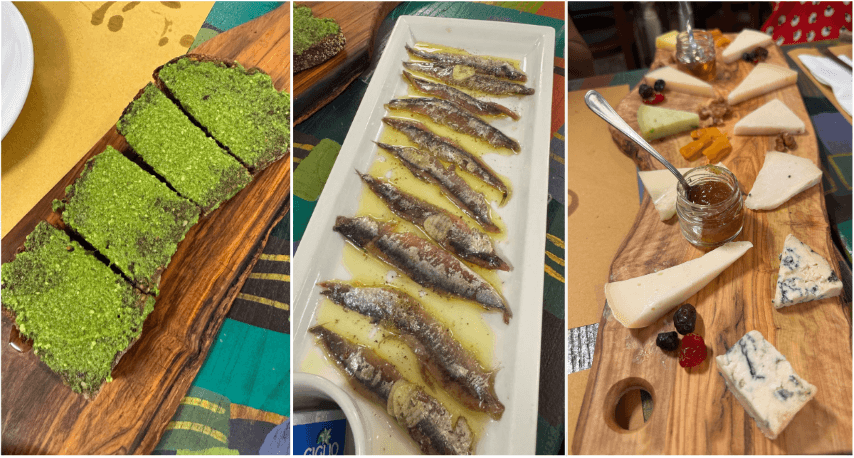
La Cantina Di Miky was closed, and we weren’t in the mood for the finer dining of Ristorante Miky, so we headed to Enoteca Internazionale: a wine bar/store, with small plate food and a decent cheese board. They also host wine tastings on the street for tourists, and have an extensive offering by the glass inside – chat with them and see what’s open that day. As always, expect a different level of service if you know a bit about wine and express interest (Susy and Valentina seem to be running the show and the ones to speak to). Here, I was lucky enough to find a 100% Rosesse Bianco from a local Possa (Riomaggiore).
It was a perfect choice for us – a slow, slightly boozy afternoon with small sharing dishes. Other restaurants in town seemed to offer dishes from around Italy, popular with the tourists, and we watched a few unsuspecting cruise-ship day trippers sit down, peruse the menu, then sleek off when they didn’t find their Spaghetti Bolognese.
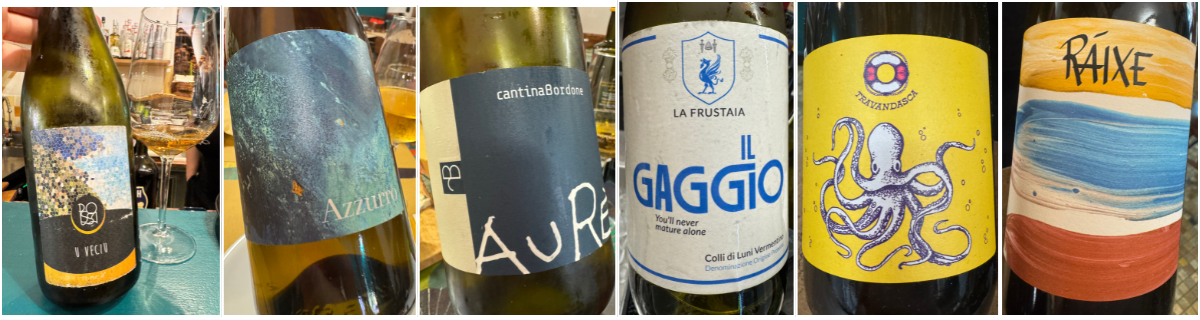
- U Veciu, Possa: 100% Rosesse Bianco – a little oxidised and pear cider with hints of stone fruit compote. Overall, rounded and balanced but perhaps a little flat.
- Azzuro 2023, Cian du Giorgi: Liguria di Levante IGT, A delicious mineral-focused blend of Vermentino, Bosco & Albarola with saline and honey notes.
- Il Gaggio 2025, (Colli di Luni DOC), La Frustaia a decent enough Vermentino with pithy fruit and peach skin and light minerals.
- Polopogiallo 2024, Travanadasca: a fruit driven pét-nat with grapefruit and tropical fruit from undisclosed “white grapes”.
- Ràixe Bianco 2023, Giorgia Grande: a wild ferment of undisclosed white grapes. Robust, subtle with light pear and an underlying richness.
- Aurè 2024, Cantina Bordone: from a microproducer in Manarola, I have little information about this wine other than it’s a Cinque Terre DOC and my notes: fresh with light skin tannins and stone fruit compote with tamarind and dried herbs.
The train back to Levanto was an easy trip, with a huge thanks to the butch N American couple, who, upon seeing us with Amanda’s mum, and semi-livid with the behaviour of the tourists they had endured throughout the day, insisted on body blocking the other passengers trying to shove their way on, until we were safely on board. While we would have coped, it was a great fellow-traveller bonding moment, and we reckon they were in need of a postitive outlet for their dumb-tourist-frustration.
After an aperitivo at Wine Bar Cristal (modest selection by the glass with a decent selection by bottle) we booked a table at Gattabriga, a small restaurant with a great menu and modest wine list (we chose a Colli di Luni Albarola from Cantina Lunae – no notes taken – just a pleasant family dinner).
Day 6 – Levanto
With Cinque Terre and Levanto explored, La Spezia both too big and too far, no waves to take surf lessons, and fading energy to arrange winery visits, we opted for one of the other Levanto activities: cycling through the old abandoned railway tunnels to the neighbouring villages.
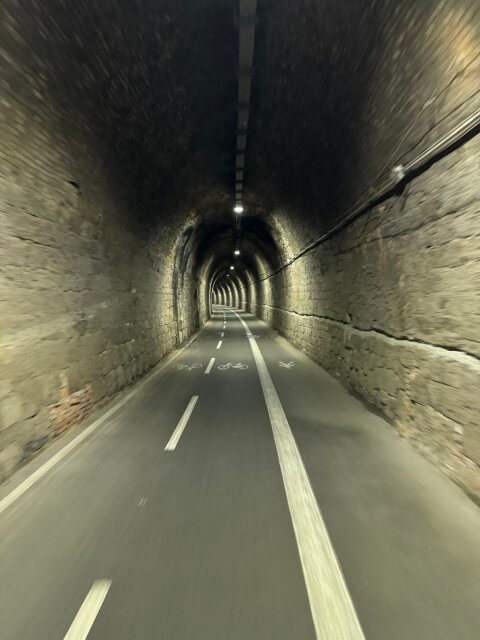 Renting a bike, we cycled through the cool shade of the tunnels, arriving in Bonassola much sooner than expected, so continued on to the confusing Famura.
What is Famura? A building site/car park/tiny port (kayaking apparently possible)/hill? We were met with a dead end with around 100 bikes chained to the clifftop fence, a building site and a huge fence blocking off the active railway track. Perhaps the trek up to the surrounding villages would have rewarded us with spectacular views, but we fancied a more relaxing afternoon, and headed back to Bonassola. Bonassola was a lot sleepier than we had expected with a beach, and 2 bars in town open for a coffee. We opted for the one that didn’t advertise in English that they have a table charge. We ordered an iced coffee that was served in a Martini glass by a guy who looks like he has worked there since the 70s (or perhaps just jumped through a time warp).
In need of cooling off, we headed to one of the small beaches before Levanto for a swim. We witnessed what almost turned out to be a Darwinian feat of stupidity: a father led his wife and young kids down to the rocky beach surrounded by sharp rocks and crashing waves. Taking his inflatable unicorn, he dived into the waves to be promptly hurled, arse-over-tit, back onto the rocky beach along with a few tones of rocks and a unicorn as deflated as his ego. Bizarrely he did try blowing it up again before giving up and leading them all away from the beach.
A refreshing swim and bruised ankles from the rocks being hurled at them like a mini-tsunami with each wave, we headed back to Levanto, ending up at the same restaurant we first had lunch – with be eventually shaking off a huff over the lack of interesting wine options.
Other Levanto highlights and tips
Sea swims: what better way to start the morning than a bracing ocean dip. The water ranges from crystal clear, to cloudy when there are waves. Most of Levanto’s beaches are private. The public ones are obvious (no umbrellas, no barriers, and some rubbish lying around). Early in the morning, before 8 am, you’ll be some of the only ones there. Tip: bring a few bottles of water, or leave a few outside your accommodation to wash the sand off your feet.
Ice cream: the best by far was at Basilico e Limone (map). Cremeria Garibaldi (map) was a strong second (indoor seating and aircon), with Il Porticciolo (map) much better than its location would suggest.
Old-school café: Bar Barolino (map) has that old-school Italian bar vibe with heavy, carved wood features and mirrored walls. The staff spoke such good English that I felt a fool even trying to communicate in my rudimentary Italian.
Coffee: passable (Italian quality) coffee at Salty Dog (map) but no specialty coffee for us until Bergamo, Como and Milan. La Spezia may have one or two options.
Other wine spots: La Vineria (map) – had an acceptable aperitivo-quality selection by the glass, and some more impressive stuff by the bottle, but allowed vaping indoors (even off-duty staff), which put me off returning.
Other restaurants: given the time, I would have liked to try Antica Trattoria Centro (map) which I’m told has a decent local wine list, and some of the other restaurants that looked quite appealing around the Piazza Cavour and along via Giuseppe Garibaldi (near La Cantina dei 1000).
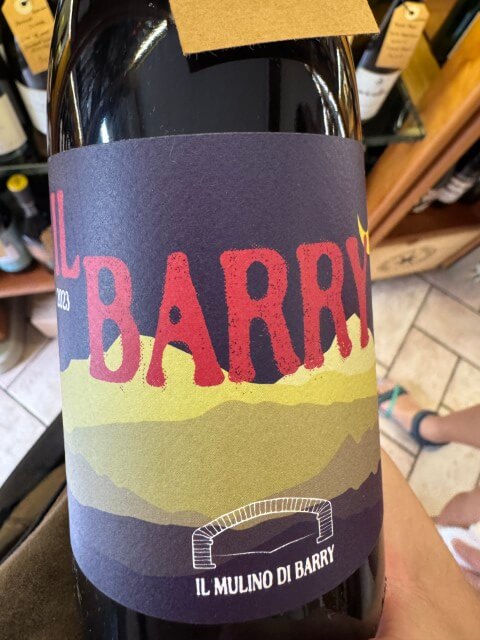
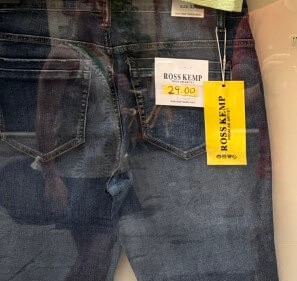
Amusing bits: I did find a wine called “Il Barry” to be quite funny (I can’t read it without using a Birmingham accent thanks to an old 1980s TV show, Auf Wiedersehen Pet), and a brand of “Ross Kemp” shorts which I thought was a knock-off brand, but upon googling I see he has a line of clothes, so maybe it’s serious. He lives in our village (albeit in one of the fancier houses), so maybe I should ask him if I ever bump into him.
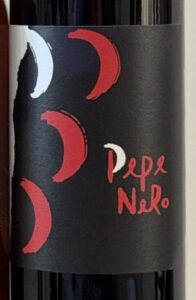 Lesser-known grape – Vermentino Nero
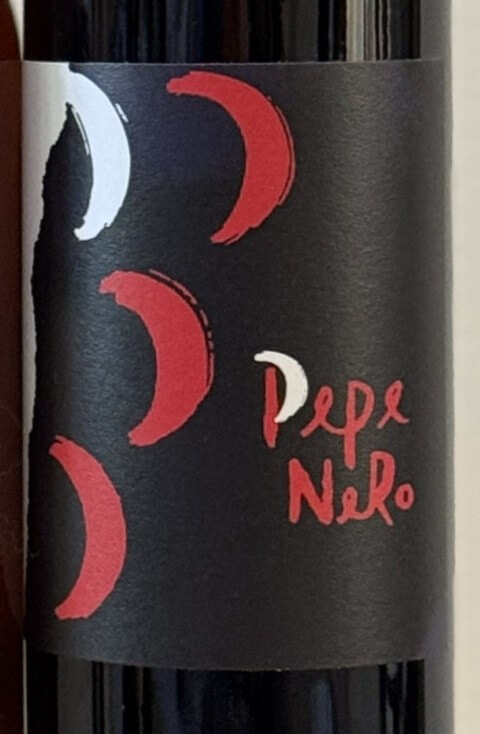
Having tried Bosco and other regional grapes in situ, I picked up a bottle of Castel del Piano’s Vermentino Nero (aged 6 months in acacia barrels) from La Cantina dei 1000 to bring home to share with my fellow wine geeks who meet up every few months to share such novelties.
Next stop (part 3 of 6), Parma famous for ham and Lambrusco grapes such as Grasparossa, and a visit to one of Italy’s few Japanese winemakers, Shun Minowa.