No Comments
Shun Minowa – Vignaiolo
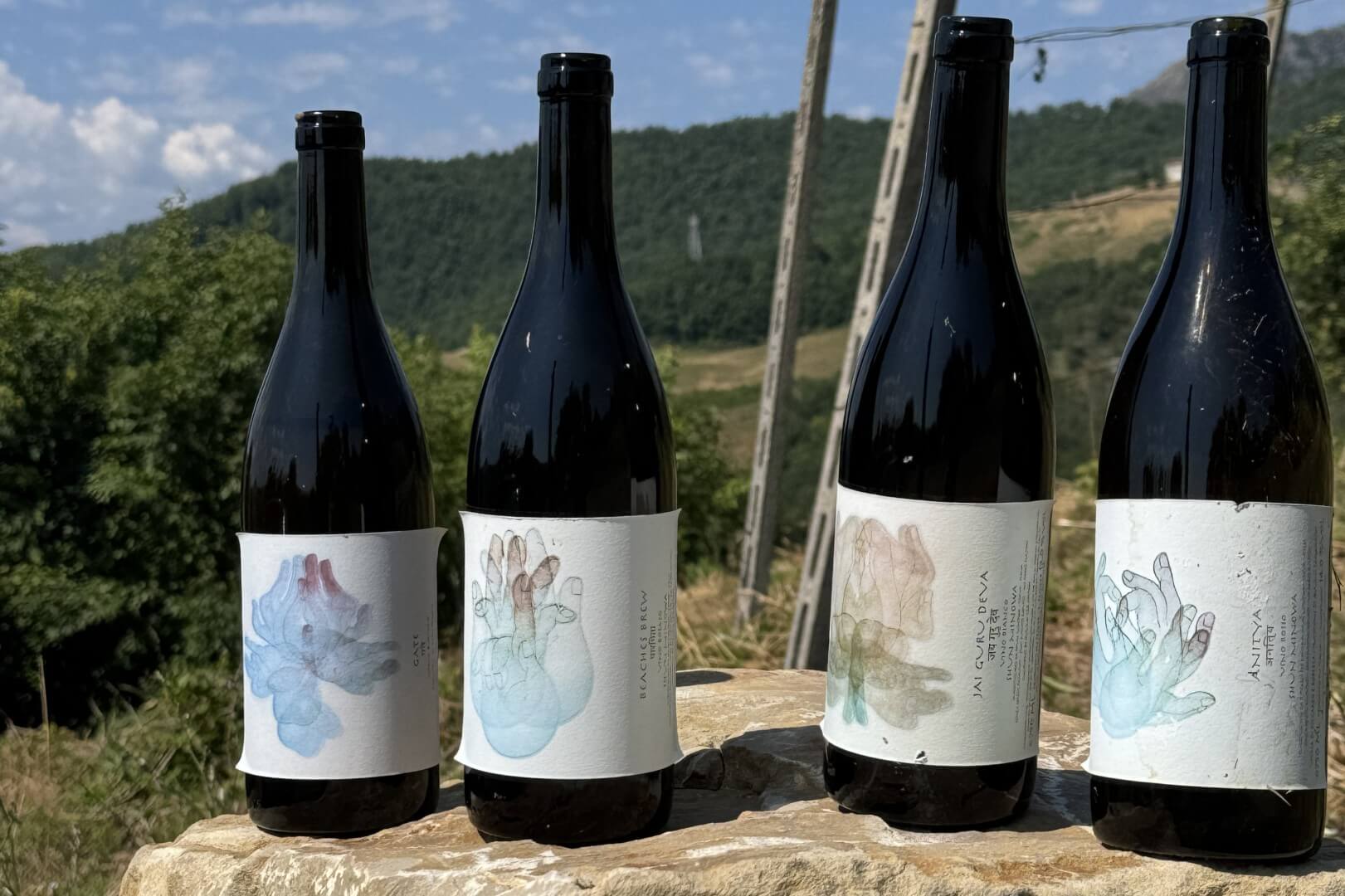
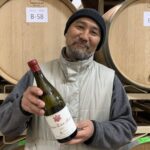
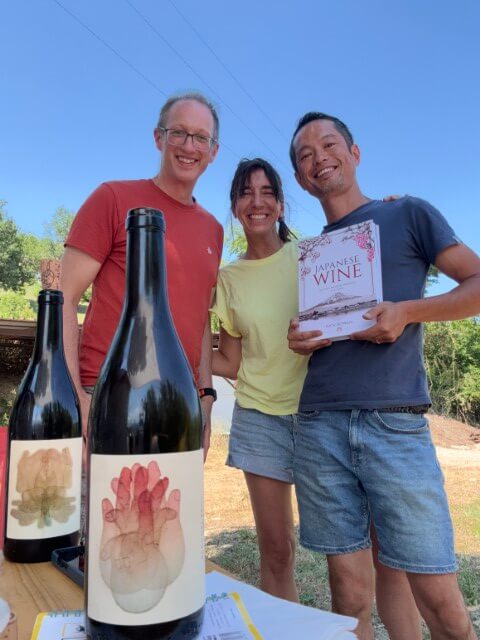 In my book Japanese Wine, I feature nearly 40 Japanese wineries and winemakers from around the world. In July 2026, I had the pleasure of meeting one in person – Shun Minowa – making zero-zero natural wines from old heritage vines in his garage winery in Travo in Piacenza Province, Emilia-Romagna. We tasted his wines together from the barrel, and a few from the bottle over lunch, including his as-yet unreleased 2022 vintage of his flagship domaine wine GATE.
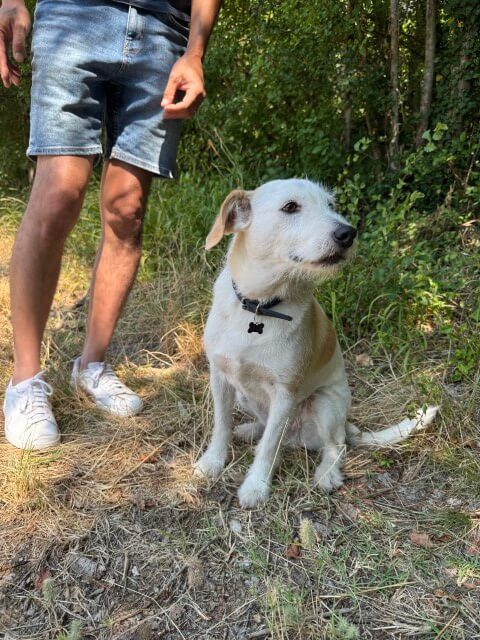
We were accompanied throughout by their charming rescue dog Chloe who treated us to harmonised howling along with the siren of a passing fire engine.
Background
Originally from Chiba Prefecture, Japan, Shun worked in wine and beverage sales, developing an interest in old vines that took him to Spain, then Chile’s Bio-Bio wine region, where pre-phylloxera vines up to 200 to 250 years old can be found.
In Chile, he met Elena Pantaleoni of La Stoppa winery in Piacenza, who was working on a project in Chile with the heritage Pais grape.
From his previous traditional wine training, Shun had previously considered the slightest presence of certain elements in wine (noticeable volatile acidity or unanticipated wild yeasts like Brett) as “faults”, until he discovered how their presence, if in balance with the wine as a whole, can produce wonderful wines. La Stoppa’s Ageno was the eye-opener for him here.
He secured an apprenticeship at La Stoppa, and while sorting out his visa for Italy, he spent 3 months at Zio Setto winery in Niigata and 3 months at a sake brewer in Toyama focusing on koji (a mould that breaks down rice starch into fermentable sugars).
The Italian era
Shun began making his own wines in Italy in 2019, renting an old 0.5 ha vineyard of white grapes, vinifying these at a friend’s winery, CASÈ, nearby. In 2020 he began buying-in further grapes for a négociant line, and acquiring his own vineyards and winery in 2023.
 Region
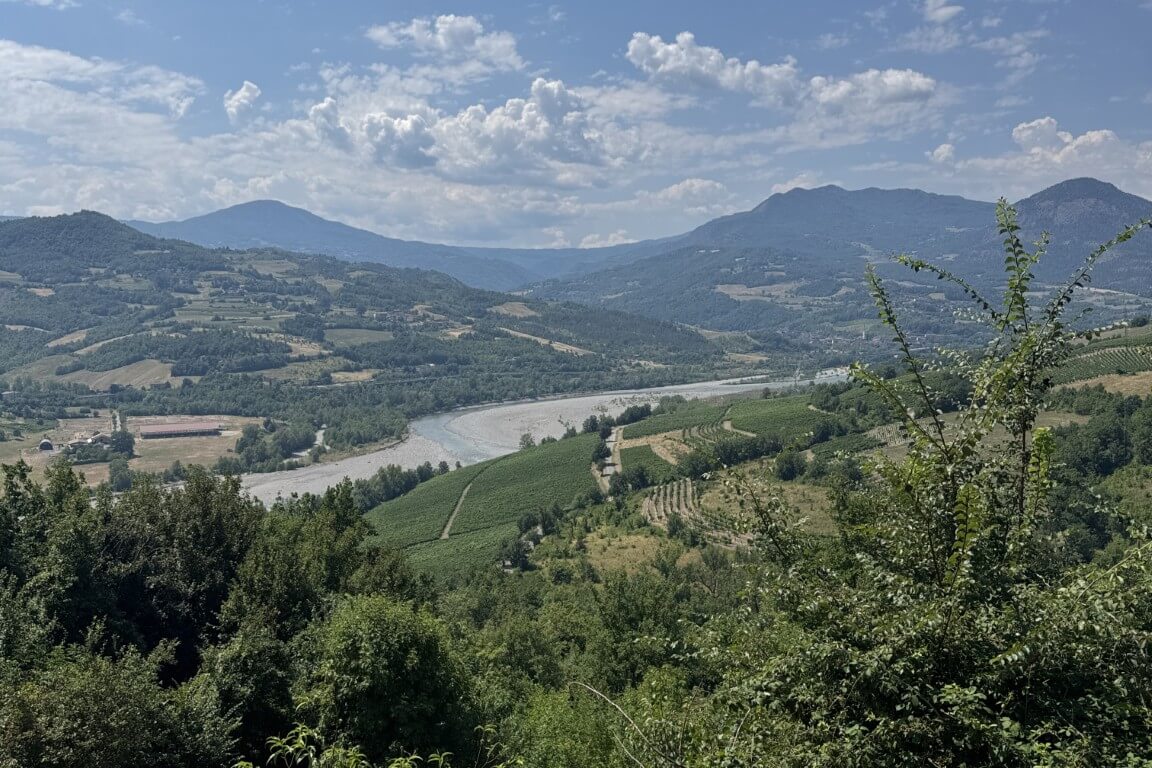
The winery and vines are located in the Trebbia Valley, interestingly similar sounding to the Trebbiano grape, but apparently local dialect for the processing of grain after harvest. Shun explains that this harvest coincidentally aligns with that of the late-ripening Trebbiano grape, and jokes that the neighbouring regions growing Trebbiano will no doubt claim the valley was named after their grape.
In the region, white grapes and wine are more common than reds with a focus on:
- Ortrugo (“other grape”, historically used in blends) with acidity that gives minerality but is too low to make top quality sparkling wines.=
- Malvalsia di Candia Aromatica
- Trebbiano
- Barbera
- Pinot Grigio, Bonarda/Croatina, Ciliegiolo, Pinot Nero
- French varieties such as Sauvignon Blanc, Merlot and Marsanne (called Champagnino locally, due to its French origin and use to make sparkling wines in Piacenza) introduced by Napoleon’s soldiers in the 1800s
Interestingly of the 4 homes in the hamlet, there are two other foreigners; an Australian potter, and a Brazilian.
Due to the influence of La Stoppa, the region has one of the highest concentration of zero-zero, natural wineries in Italy.
 Vineyard
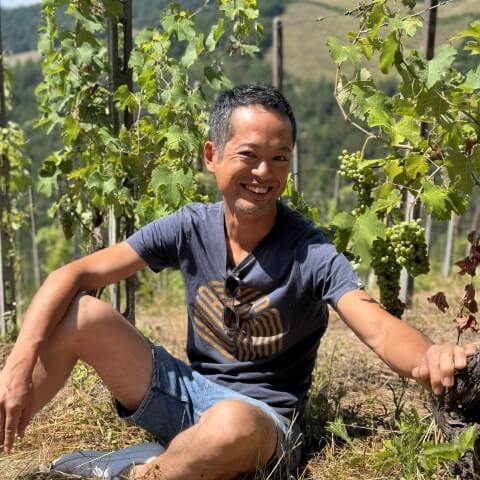
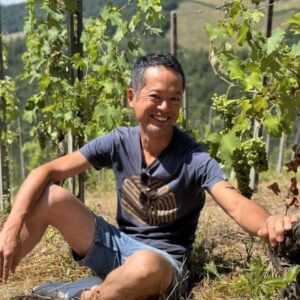
Shun currently manages 4 ha of vines.
In 2023, he and his wife, Erika, a Parma native, acquired 1 ha of 52-year-old vines of mainly Ortrugo, and some Trebbiano (an unknown strain), Malvasia and Marsanne.
They rent 2.5 ha nearby and have also planted a further 0.5 ha with 30 clones of a dozen different grape varieties, mixed up before planting, so even they don’t know which vines are where – a true field blend.
Viticulture & Philosophy
Shun’s belief is that “nature makes wines – the winemaker simply guides, to let it follow it’s natural path and become the best it can”. He compares this to raising children and rather than forcing them to become professional footballers, identifying their natural talents and interest, and nurturing these whether it leads to music, painting or accountancy.
In the vineyard, it is minimum-impact and encouraging and maintaining biodiversity. He tries not to disturb the ecosystem, particularly below-ground.
When asked about biodynamics, he explained that he believes it is helpful for regenerating previously depleted soils, but for healthy soils, already farmed organically, he prefers to work naturally in balance with nature.
Yields are low, around 1,500 kg/ha (10 hl), and the poor soil with low nitrogen and phosphorus content, result in Ortrugo bunches around half the size of their potential in more mineral-rich soils, and has further effects in the cellar during vinification.
Cover crops and weeds were allowed to grow naturally amongst the vines, however these became so abundant that it became difficult to tend to the vines, so with the help of a friend’s tractor, these were cut for the first time in 2026, left to decompose naturally.
Risks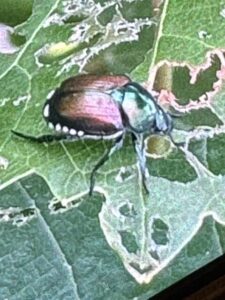
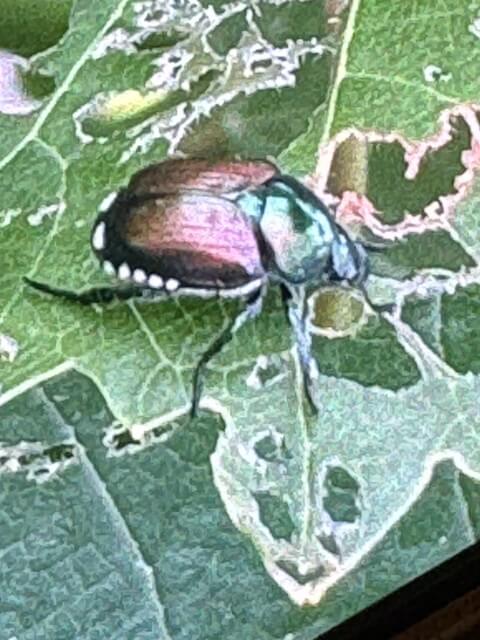
There is however a dangerous pest appearing in the region; an invasive Japanese beetle (ironically on-theme here) called
Mame Kogane (Popillia japonica). For over a decade it has been spotted in the South of France and Northern Italy, eating the leaves, preventing photosynthesis and ultimately killing vines. In 2025 this pest has been found in Piedmont and Piacenza.
Vinification
Shun’s setup is a modest affair with several 1,000 litre stainless steel fermentation tanks, a few smaller fibreglass tanks and four chestnut, acacia and oak 500 litre barrels. Interestingly for a natural winemaker, he has no interest in concrete eggs, having had poor results with them in the past.
The low nitrogen soil content in the vineyard results in a slow ferment, not just for Shun, but for the wineries in the vicinity.
Rather than 1-2 months, fermentation can last up to 6 months (some winemakers have apparently experienced ferments lasting five years).
Nothing is added or removed, and he only punches down gently during the first one or two days, as the slow ferment doesn’t require additional oxygen.
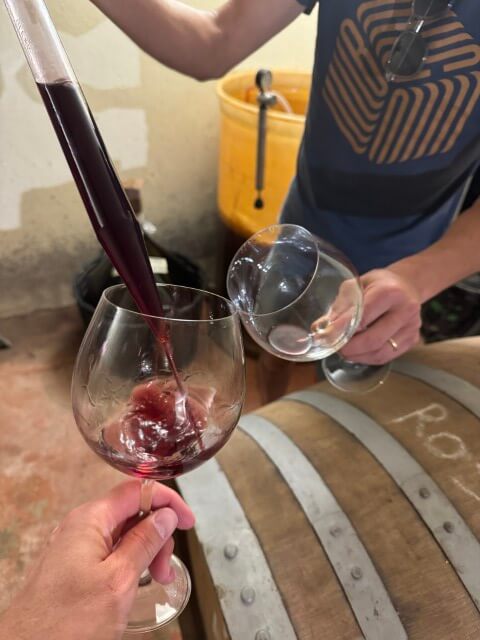 Ferments are generally blended before 5-months’ barrel-ageing (11 months for the domaine “GATE” label), however this is dependent on the natural fermentation time, and if one batch or vineyard finishes before others, they may be blended later.
What’s more, Shun also bottle ages his wines, releasing his flagship Gate (gat-é) nearly four years after the harvest- no small feat for a small-scale start-up winery.
Shun also sources grapes from other growers in the region for his négociant wines to ensure sufficient quantity and sales of wines while his domaine wines age before release.
2024 was a terrible vintage with six months of constant rain and seven hail storms. He was only able to harvest enough grapes for 70 litres of wine vs around 2-3,000 kg in regular years (2,000 bottles).
Lineup
The lineup consists of four labels (tasting notes at the end of the article):
- Jai Guru Deva – a négociant white wine, grapes sourced from four farmers. The name was taken from the lyrics of The Beatles song Across the Universe.
- Gate – a white wine from the domaine grapes. (Gate is Sanskrit from a Buddhist mantra, meaning ‘gone beyond’ toward wisdom or awakening)
- Beaches Brew – a rosé wine which is likely to be 100% domaine from 2026. 90% Barbera with 10% “contaminated” by other grapes (Shun’s cheeky explanation rather than any cause for concern!). The grapes are foot stomped in a basket press, added 10 kg at a time.
- Anitya – a red Barbera-dominant domaine wine. Anitya means “impermanence” referring to the ever-changing character of a wine as it evolves, and a cheeky reference to the impermanence of the grapes in the region with outsiders like Pinot Nero, Pinot Grigio and Merlot planted in the 1980s.
Shun exports to 15 countries already, with Japan importing around 100 – 120 bottles of each cuvée (of 1,000 – 1,500 bottles).
Piedmonte producer, Hiroto Sasaki (Cascina Lieto), who I was unaware of at the time of publishing Japanese Wine, manages Shun’s exports to Japan and Taiwan, along with his own Muscat wines.
Labels
The labels are designed by Japanese artist, Ayumi Takahashi from Yokohama.
These are from traditional wood block prints, like those used for the famous Hokusai print The Great Wave of Kanazawa”.
Jai Guru Deva label was an existing piece of art that Ayumi was exhibiting internationally, and the others commissioned specifically for his wines.
Tasting Notes / Impressions
(as a reader / researcher, I often find that I am more interested in the winemaker’s philosophy, practices and their place in the region than reading lists of tasting notes. I prefer to understand, then outline the winemaker’s range and allow readers to decide which resonate with them. I therefore present very brief tasting notes for completeness rather than any authoritative of subjective reference)
Jai Guru Deva 2025 – tank sample #1
A blend of grapes form three farmers (the average farmer age of 70 ).
70% Ortrugo, 30% Malvasia, Marsanne, Trebbiano, Sauvignon Blanc with 2 days on skins (other vintages are on average 10 days, but can be up to 30 depending on the grapes and vintage)
Tamarind aromas with peach compote and spices.
Good acidity with skin tannins adding texture.
Jai Guru Deva 2025 – tank sample #2
A blend of grapes from a single farmer.
Fresher and more aromatic with citrus notes with that spiciness.
Fresher palate with fruit compote flavours.
Beaches Brew 2025 (rosé) – tank sample
90% Barbera, 10% other grapes.
Creamy red fruit aromas. Fresh, juicy acidity .
Delicate, low to medium tannins
GATE 2025 in Acacia/Chestnut – barrel samples
The flagship domaine white wine: 80% Ortrugo + Malvasia, Trebbiano, Marsanne
2 months on skins (compared to up to 10 months in previous vintages)
11 months in barrel then bottle, then released 4 years after vintage!
Tasted after only one week in barrel.
Fruit and spice with high acidity
A little more fruit from the samples from the chestnut barrels that surprised Shun and Erika (Chloe was neutral on the matter).
They found it smoother and less tannic, however I was too unfamiliar with the wines to be able to discern this without side by side samples.
Anitya – 2025 – barrel sample
Barbera based red blend from 100% domaine fruit.
Earthy dark red fruit character with fresh, racy acidity.
Bottle Tastings over lunch
2024 Jai Guru Deva
Tamarind / orange character with much more integrated tannins.
Fresh acidity.
Almost a bit “Jura”-ish (if that is in fact what my illegible scribbles say)
Gate 2022
Tamarind aromas.
Fresh and juicy palate with dried fruit character and more tannic structure than the Jai Guru Deva.
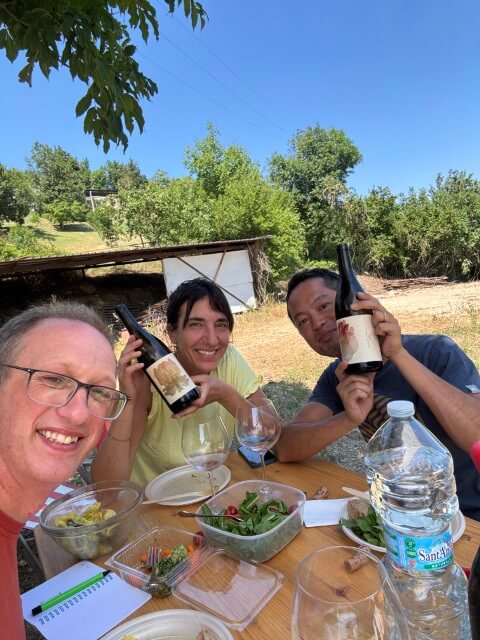
See further photos and videos on my Instagram post:
For non-logged in Instagram users, follow this link.
Find out about other Japanese winemakers outside of Japan in my book JAPANESE WINE.